

Managing Coughs with the Healing Power of Ayurveda

Improving Concentration and Memory with Ayurveda
Aging is the main reason we lose the ability to concentrate, learn, and remember new things. Ayurveda defines aging as the vata time of life which begins somewhere between 60 and 70 years of age depending on the person. This is the time of life when vata dosha naturally becomes dominant.

Lifting Your Spirit with Ayurveda

Winter Season Self Care

Managing Iron Deficiency with Ayurveda
When a person has iron deficiency, it means their blood has low or poor quality hemoglobin. Hemoglobin is the main protein in red blood cells, and it transports oxygen to all cells in the body. When iron is deficient there is less oxygen circulating in the blood and therefore less oxygen reaching the cells. This condition causes symptoms of depletion like fatigue and weakness.

Sleep Better with Ayurveda
Bhutadhatri, is a Sanskrit word for “what nourishes or rejuvenates all living creatures,” and is the name used to describe high-quality restorative sleep that is achieved without medication. Quality sleep looks different from person to person, depending on the person’s physiological needs such as age, birth constitution, imbalanced doshas, work schedule and stress. Quality sleep leads to a feeling of happiness, nourishment, strength, mental clarity, and wellbeing.

Caring For Your Eyes With Ayurveda
Our eyes are vital to our life, yet we often neglect to take care of them. Ayurveda educates on the importance of eye health and how practicing daily self-care helps maintain healthy eyes. The classical Ayurvedic texts mention in great detail the importance of eye health. There are many chapters on anatomy, physiology, reversing common disorders, and preventive practices to maintain healthy eyes.

Managing Excess Weight Gain With Ayurveda
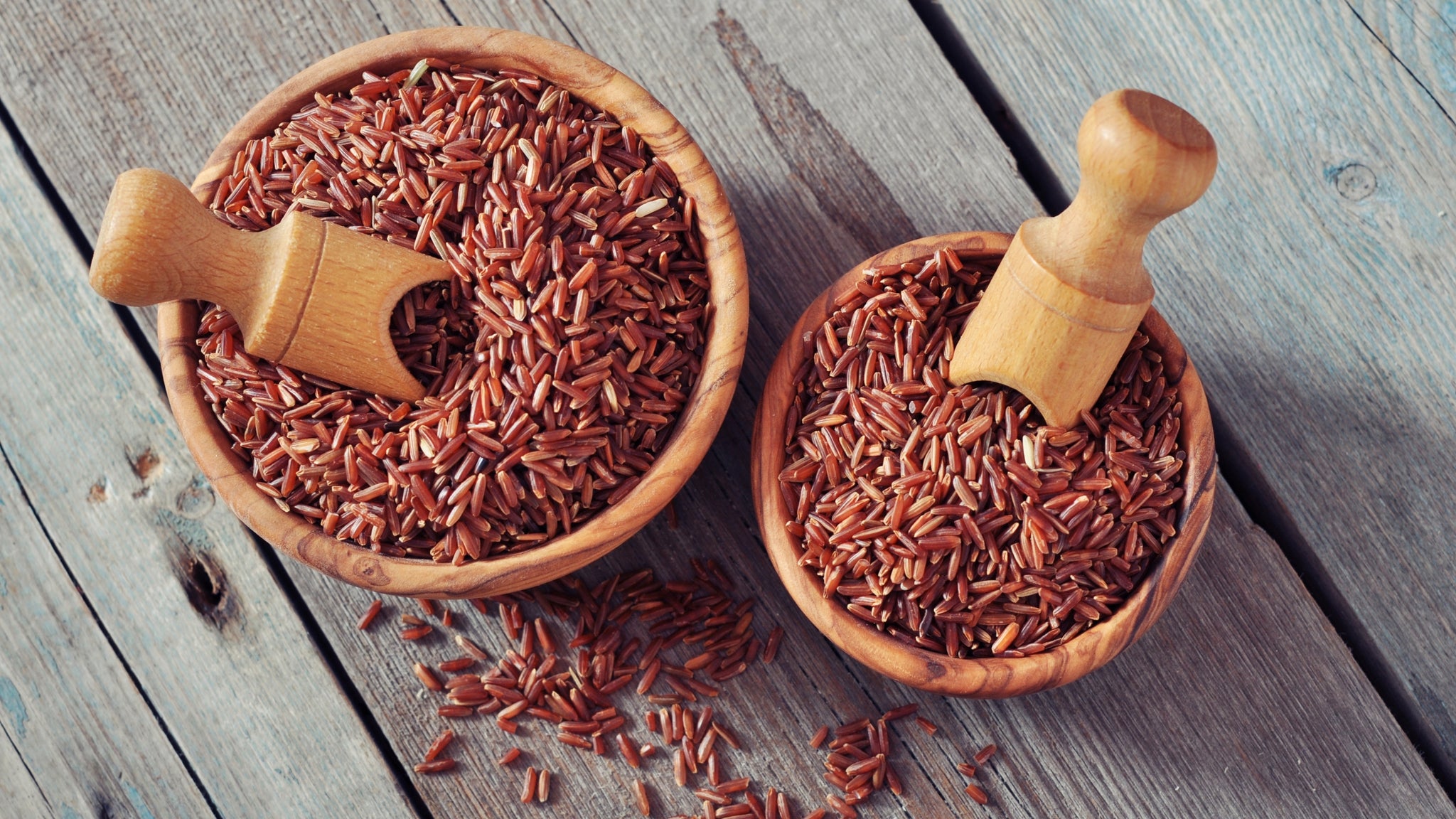
Rice Preparation for Weight Loss and Improved Health
Follow

Sign up to get the latest on sales, new releases and more …
WE HATE SPAM AND DO NOT SHARE YOUR EMAIL ADDRESS
332 Springtown Road, New Paltz, NY, 12561
(800) 215-9934 / Mon-Fri 10am-7pm ET / Sat 10AM-2PM ET
© 2025 KOTTAKKAL Ayurveda USA.


